Can dogs eat almonds?
Safe with careAlmonds are not toxic to dogs the way macadamia nuts are — but they are not recommended. They pose choking and intestinal-obstruction risks, are high in fat (a pancreatitis trigger), and are often heavily salted. A dropped almond is not an emergency; a handful is worth a vet call.
Unlike macadamia nuts, which are genuinely toxic, sweet almonds (the grocery kind) are not poisonous. But "not poisonous" is not the same as "good for dogs." The risks — choking, blockages, pancreatitis from the fat, and the salt on most snack almonds — mean most vets say skip them.
Benefits
- Not toxic in the way macadamia nuts, chocolate, or xylitol are — a single dropped almond is rarely an emergency
- Contain protein, fiber, and vitamin E (but dogs get these more safely from dog-formulated foods)
How much to give
How to prepare
- The honest answer is to choose a safer treat (carrot, green beans, a little plain pumpkin) rather than almonds.
- If almonds are in the house, store them out of reach — especially flavored, salted, or chocolate-coated varieties.
- Never give almond-based products with xylitol, chocolate, or heavy salt.
- Plain unsalted almond butter in a tiny amount is lower-risk than whole almonds (no choking), but still fatty — peanut butter is the better default.
Watch out for
- CHOKING AND OBSTRUCTION. Whole almonds can lodge in the throat or cause an intestinal blockage, especially in small dogs — a blockage is a surgical emergency.
- High fat content can trigger pancreatitis, especially in prone breeds (Miniature Schnauzers, Cocker Spaniels) or dogs with a pancreatitis history.
- Most snack almonds are heavily salted, which adds unnecessary sodium; flavored and smoked almonds add seasonings that can include onion or garlic powder.
- Chocolate-coated almonds combine two hazards — the chocolate is the bigger emergency.
- Bitter almonds (not the sweet grocery variety) contain cyanogenic compounds — rare in US shops but genuinely dangerous if encountered.
- GI upset (vomiting, diarrhea, gas) is common even when no serious complication occurs.
If a rich treat upsets their stomach
Too much of a fatty or unfamiliar food can leave a dog with a loose or queasy tummy for a day or two. These are the vet-shelf digestive supports owners keep on hand — helpful for a mild upset, but not a substitute for a vet visit if your dog is repeatedly sick, lethargic, or in pain.
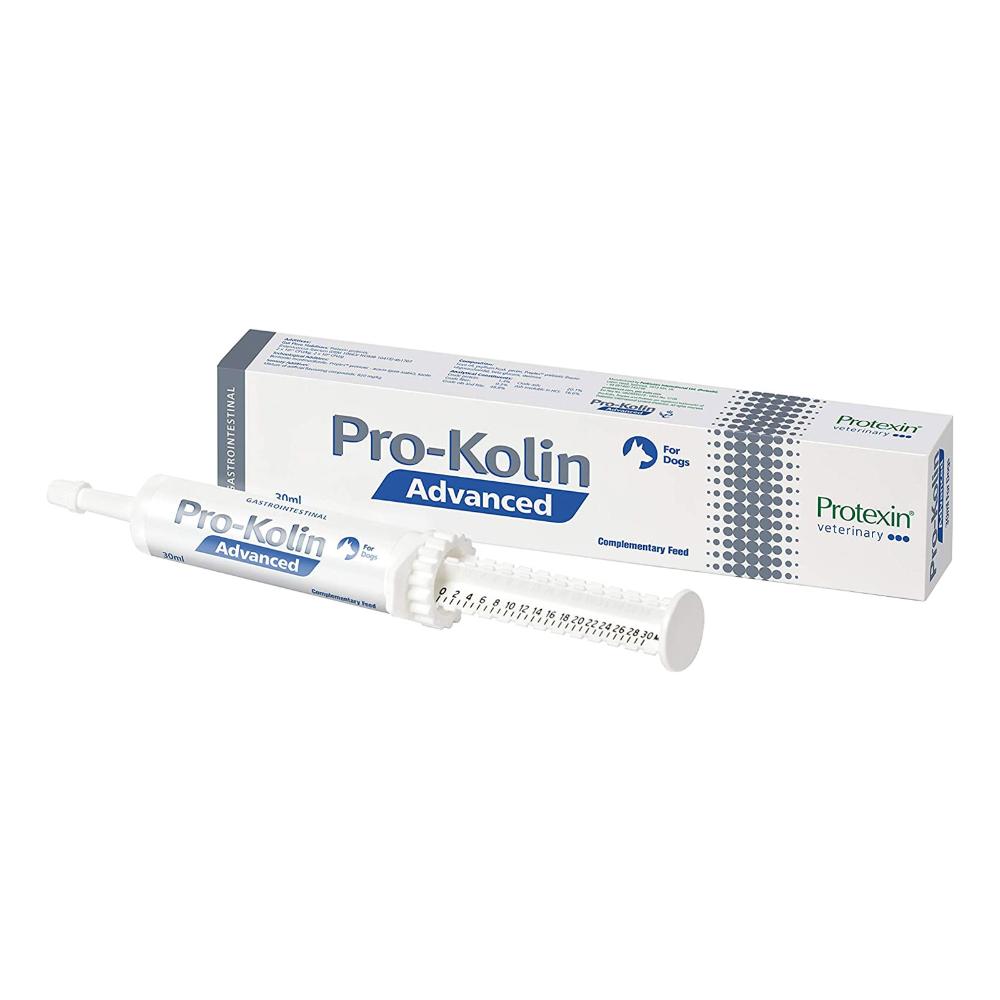


Petcro may earn a small commission from these links, at no extra cost to you. We only list products we'd be comfortable recommending.
Frequently asked
My dog ate an almond — is that an emergency?
A single plain unsalted almond is usually not an emergency — watch for choking, vomiting, or signs of stomach upset. A handful, salted or flavored almonds, chocolate-coated almonds, or any sign of distress (retching, drooling, inability to settle, repeated vomiting) warrants a call to your vet or the ASPCA Animal Poison Control ((888) 426-4435).
Are almonds toxic to dogs?
Sweet almonds (the standard grocery kind) are not toxic the way macadamia nuts, chocolate, grapes, or xylitol are. The risks are mechanical (choking, blockage) and dietary (fat-triggered pancreatitis, salt). Bitter almonds are a different and genuinely dangerous nut, but they are rare in US shops.
Can dogs eat almond butter?
Plain, unsalted, xylitol-free almond butter in a very small amount is lower-risk than whole almonds because it removes the choking hazard — but it is still high in fat. Peanut butter (xylitol-free) is the better default for a lick-mat or Kong.
Why are macadamia nuts toxic but almonds are not?
Macadamia nuts contain an unidentified toxin that causes weakness, tremors, and hyperthermia in dogs — even in small amounts. Almonds do not contain that toxin. They are still not recommended because of choking, obstruction, and fat-related risks, but the mechanism is completely different.
What nuts are safe for dogs?
No nut is an ideal dog treat — all are high in fat and pose choking risks. Plain unsalted peanuts (technically a legume) are the lowest-risk. Macadamia nuts and any nut with chocolate, xylitol, or heavy salt should never be given. When in doubt, choose a dog-formulated treat instead.
More food guides
Check our toxic-food tool for quick answers, or ask CRO about your specific dog.
This guide is educational and based on US veterinary sources. Individual dogs react differently — introduce any new food slowly, and speak to your vet if your dog has medical conditions like pancreatitis, diabetes, or allergies.