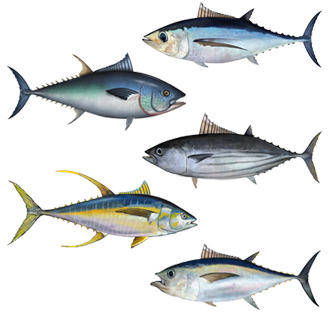
Can cats eat canned tuna?
Canned tuna is one of the most popular cat treats and one of the most misunderstood. Occasional small amounts are fine. Daily or staple feeding produces three real problems: taurine deficiency (causing heart disease and blindness over months), mercury accumulation, and tuna addiction (where the cat refuses balanced food in favor of tuna). Understanding the dose-response is the entire question.
Signs to watch for
- Long-term taurine deficiency signs (months): dilated cardiomyopathy (heart muscle weakness)
- Vision loss, central retinal degeneration (months of taurine deficiency)
- Reduced reproductive function in breeding cats
- Tuna addiction: refusal of balanced cat food, weight loss, malnutrition signs
- Acute GI upset from a large single serving (vomiting, diarrhea) — usually mild
- Pancreatitis signs from high-fat tuna varieties (vomiting, abdominal pain) — uncommon
Timeline
Why daily tuna is bad for cats
Three separate concerns stack: taurine deficiency, mercury accumulation, and behavioral 'addiction'. Each on its own is a real problem; together they make daily tuna a slow-motion harm.
Taurine: cats cannot synthesize taurine and must get it from diet (commercial cat food is supplemented with it specifically because of this). Tuna for HUMANS is processed to remove the dark muscle (which is highest in taurine) and the canning process degrades the remaining taurine. The result is a tuna product that is high in protein and palatable, but low in taurine — exactly the opposite of what cats need long-term.
Mercury: large predatory fish (tuna especially) accumulate mercury through bioaccumulation. The mercury content of canned tuna varies (albacore higher than skipjack/chunk light), but cats eating tuna daily over months accumulate mercury at concerning rates relative to their body weight. Neurological effects of mercury are slow-developing and difficult to reverse.
Tuna 'addiction' is the behavioral problem: cats that get tuna regularly often refuse balanced cat food. This is not addiction in the medical sense — it is preference learning combined with the highly palatable smell and flavor of tuna. The cat then gets fed more tuna because they refuse other food, and the cycle accelerates the taurine deficiency and mercury accumulation.
How much tuna is OK?
Veterinary consensus: an occasional spoonful as a rare treat is fine. 'Occasional' meaning once a week or less, not multiple times per week. 'Spoonful' meaning a tablespoon or less, not a whole can.
A 5 oz can of tuna is roughly the size of a meal for an average adult cat — but it is nutritionally incomplete compared to balanced cat food. Feeding tuna as a meal once is fine. Feeding tuna as a meal regularly is the start of the slow-harm pathway.
Variety matters too. Skipjack and chunk light tuna are lower in mercury than albacore (white) tuna. Tuna in water is lower in fat than tuna in oil; tuna packed in brine adds salt that adult cats do not need. The safest version: chunk light tuna packed in water, drained, as a small occasional treat.
What to do if your cat eats tuna
1. For a small spoonful as an occasional treat: no concern. This is the use case canned tuna is reasonably suited for.
2. For a whole can or large portion eaten in one sitting: monitor for GI upset over 24 hours. Most cats handle it without issue. Make sure their next several meals are normal balanced cat food, not more tuna.
3. For a cat that has been getting tuna daily for weeks: discuss with your vet. Bloodwork (especially echocardiogram if heart sounds are abnormal, plus baseline kidney function) can establish a starting point. Transitioning back to balanced cat food may take time because of the preference learning.
4. For a cat that refuses balanced cat food because of established tuna preference: this is a behavior-modification problem. Vets often recommend gradual mixing (small amounts of tuna mixed into cat food, then gradually reducing the tuna ratio over weeks) rather than going cold turkey, which can cause hunger strikes in some cats.
5. Check the can for additives. 'Tuna in oil' adds fat (pancreatitis risk in susceptible cats). 'Tuna in brine' adds salt. 'Flavored' tunas often have onion or garlic powder — separately toxic to cats. Use plain chunk light in water only.
Taurine deficiency — what actually happens
Dilated cardiomyopathy (DCM): taurine is essential for normal heart muscle function in cats. Deficiency leads to dilation of the heart chambers, reduced pumping efficiency, and eventually congestive heart failure. Diagnosis is by echocardiogram. Early-stage DCM from taurine deficiency is usually reversible with taurine supplementation and dietary correction; advanced DCM may not be.
Central retinal degeneration (CRD): taurine is also essential for normal retinal function. Deficiency causes specific patterns of retinal cell death, leading to vision loss starting in the central visual field. CRD is typically not reversible — vision lost stays lost.
Reproductive and developmental issues: breeding female cats deficient in taurine have higher rates of fetal resorption, low birth weights, and developmental abnormalities in kittens. This is the original reason taurine deficiency was studied in cats — it appeared in feline-breeding colonies on inadequate diets.
What not to do
- Do not feed canned tuna as a daily staple. Taurine deficiency, mercury accumulation, and tuna addiction all develop over time.
- Do not feed flavored or seasoned canned tuna. Many flavored varieties contain onion or garlic powder — separately toxic to cats.
- Do not feed tuna packed in oil. Higher fat content can trigger pancreatitis in susceptible cats.
- Do not assume "tuna is high in protein, so it must be good for cats". Protein is only one piece of cat nutrition — taurine, specific amino-acid ratios, and micronutrients matter equally and tuna is deficient in several.
- Do not switch a cat with established tuna preference cold-turkey. Gradual mixing back into balanced food works better than hunger-striking.
Frequently asked
Can cats eat canned tuna?
An occasional small spoonful as a treat is fine. Daily or staple feeding causes three real problems: taurine deficiency (heart disease and vision loss over months), mercury accumulation, and behavioral preference shifts where the cat refuses balanced cat food.
How often is too often?
Veterinary consensus: an occasional spoonful (once a week or less, a tablespoon at a time) is fine. More than that — multiple times per week, or whole-can portions — starts the slow-harm pathway.
What about tuna packed in water vs oil?
Tuna in water (drained) is the safer choice. Tuna in oil adds significant fat that can trigger pancreatitis in susceptible cats. Tuna in brine adds salt that adult cats do not need. Plain chunk-light tuna in water, drained, is the version for occasional treats.
Is there a "cat tuna" that is safer?
Commercial cat foods that include tuna are formulated with appropriate taurine supplementation and balanced nutrition. They are safer for regular feeding than human canned tuna because the taurine deficiency problem is corrected. But human canned tuna remains an occasional-treat-only product.
My cat is addicted to tuna and refuses other food — what do I do?
This is a common behavior pattern, sometimes called tuna addiction or tuna preference. Cold-turkey switching often causes hunger strikes (which are actually dangerous for cats — hepatic lipidosis can develop within 48 hours of fasting). Gradual mixing back into balanced cat food over 2–4 weeks works better. Your vet can help with the transition plan.
Is tuna toxic to cats?
No — not acutely toxic the way chocolate or lily is. The harm from canned tuna is dose-response and cumulative: occasional small servings are fine, daily large servings cause slow-developing serious problems. The framing should be "low-dose treat" not "poison".
Feeding guideNot an emergency? Read can dogs eat tuna?
Primary sources
This guide draws on the following authorities. Specific clinical decisions for your pet should always be made with your vet.
Double-check another food, get a personalised follow-up, or talk to CRO about your pet’s specific situation.
This guide is educational and based on US veterinary sources (ASPCA APCC, AVMA, and peer-reviewed literature). It is not a substitute for a vet call. When in doubt, phone your vet or the ASPCA Animal Poison Control — the fee is far cheaper than a delayed case.