
Can dogs eat pork?
Safe with careYes — plain, fully cooked, unseasoned pork is safe in small amounts. Skip raw pork (parasite and bacteria risk), processed pork like bacon, ham, and sausage (far too salty and fatty), and cooked pork bones (they splinter).
Lean cooked pork is a fine occasional protein for dogs. The problems are almost always the form it comes in — raw, cured, seasoned, or on the bone — rather than the meat itself.
Benefits
- A good source of protein and amino acids.
- Provides thiamine (B1) and other B vitamins.
- Contains zinc and selenium for immune and skin health.
How much to give
How to prepare
- Cook it through — raw and undercooked pork can carry trichinella parasites and bacteria.
- Plain only — no salt, garlic, onion, BBQ sauce, or rubs.
- Trim the fat — fatty pork is a pancreatitis trigger, especially in prone breeds.
- No bones — cooked pork bones splinter and can pierce or block the gut.
- Cut into bite-sized pieces.
Watch out for
- Raw pork — trichinella parasites and bacteria; always cook fully.
- Bacon, ham, sausage, gammon — cured/processed pork is loaded with salt, fat, and nitrates. Not safe.
- Cooked pork bones — splinter into sharp shards; choking and perforation risk.
- Fat trimmings — high fat can trigger pancreatitis.
- Seasonings — onion and garlic powder (common on pork) are toxic to dogs.
If a rich treat upsets their stomach
Too much of a fatty or unfamiliar food can leave a dog with a loose or queasy tummy for a day or two. These are the vet-shelf digestive supports owners keep on hand — helpful for a mild upset, but not a substitute for a vet visit if your dog is repeatedly sick, lethargic, or in pain.
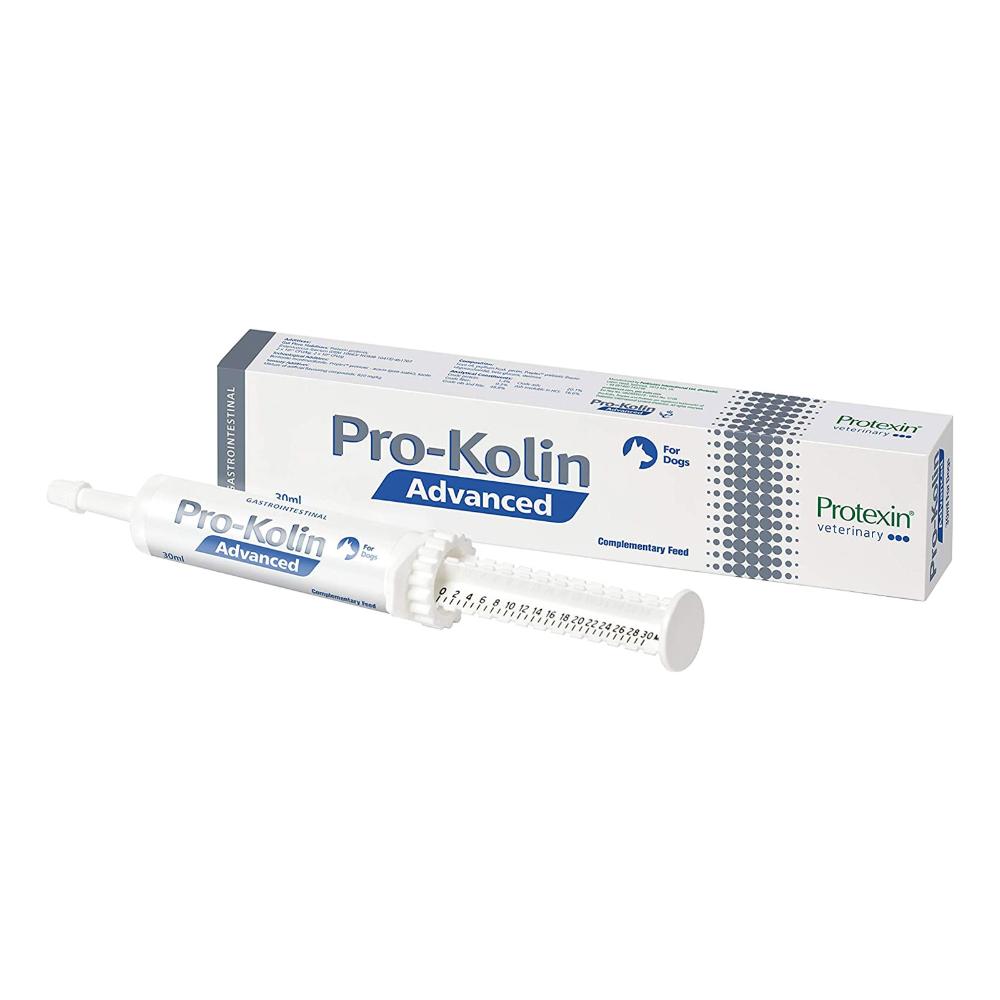


Petcro may earn a small commission from these links, at no extra cost to you. We only list products we'd be comfortable recommending.
Frequently asked
Can dogs eat cooked pork?
Yes — plain, fully cooked, unseasoned, lean pork in small amounts is safe. Avoid any sauce, rub, salt, garlic, or onion.
Can dogs eat raw pork?
No. Raw and undercooked pork can carry trichinella parasites and bacteria like Salmonella. Always cook pork through before sharing.
Can dogs eat bacon?
No, not really — bacon is extremely high in salt and fat. A stolen scrap won't poison a dog, but bacon as a treat risks pancreatitis and salt issues. Skip it.
Can dogs eat ham?
Best avoided. Ham is cured and very high in sodium and fat. Small accidental amounts aren't an emergency, but it shouldn't be a regular treat.
Can dogs eat pork bones?
No. Cooked pork bones splinter into sharp pieces that can choke a dog or pierce the digestive tract. Raw bones carry their own bacterial and obstruction risks — talk to your vet before ever offering any bone.
How much pork can a dog eat?
Treat plain cooked pork as an occasional treat, not a meal — a few small pieces depending on size, no more than once or twice a week. Keep all treats under 10% of daily calories.
Primary sources
This guide draws on the following authorities. Specific clinical decisions for your pet should always be made with your vet.
- AKC — Can Dogs Eat Pork? · American Kennel Club
- Merck Veterinary Manual — Toxicology (clinician textbook) · Merck
More food guides
Check our toxic-food tool for quick answers, or ask CRO about your specific dog.
This guide is educational and based on US veterinary sources. Individual dogs react differently — introduce any new food slowly, and speak to your vet if your dog has medical conditions like pancreatitis, diabetes, or allergies.