Foods and plants that are toxic to cats
What is toxic to cats, and what is safe? 60 common foods and plants, color-coded by severity for cats. Tap an item for its full guide where one exists.
Browse all toxic foods, plants, and household items
 FatalPlant
Castor bean
Ricinus communis
Castor beans contain ricin, which stops cells from making proteins.
No detail page yet FatalPlant
Lily
Lilium spp., Hemerocallis spp.
True lilies (Lilium and Hemerocallis species, including Easter, tiger, Asiatic and daylilies) damage a cat's kidneys. The exact toxin is unknown, and cats are the only species known to be affected.
Full guide FatalPlant
Sago palm
Cycas revoluta
Sago palms (cycads) contain cycasin, which damages the liver.
No detail page yet FatalPlant
Yew
Taxus spp.
Yew contains taxine, which can cause sudden heart failure.
No detail page yet SevereFood
Alcohol
Ethanol (drinking alcohol) depresses the brain and nervous system. It is absorbed quickly, and all species are susceptible.
No detail page yet SeverePlant
Azalea
Rhododendron spp.
Azaleas and rhododendrons contain grayanotoxins in all parts, including pollen and nectar.
No detail page yet SevereFood
Cherry
The pits (seeds), stems and leaves of cherries, peaches, apricots and plums contain cyanogenic glycosides, which release cyanide.
No detail page yet SevereFood
Chocolate
Chocolate contains theobromine and caffeine (methylxanthines). They overstimulate the heart and nervous system.
Full guide SevereFood
Coffee
Caffeine is a methylxanthine stimulant. Cats appear to be more sensitive to it than people.
No detail page yet SeverePlant
Foxglove
Digitalis purpurea
Foxglove contains cardiac glycosides, which affect the heart.
No detail page yet SevereFood
Grape
Grapes and raisins can cause kidney failure in dogs (tartaric acid is the suspected toxin). Kidney failure has been reported in one cat, so the risk to cats is not well understood.
No detail page yet SeverePlant
Lily of the valley
Convallaria majalis
Lily of the valley contains cardenolides (heart-affecting compounds such as convallarin). It is not a true lily.
No detail page yet SevereFood
Mushroom
Only some wild mushrooms are toxic, but they are hard to identify. Toxic types can harm the gut, nervous system, liver or kidneys, and some can kill.
No detail page yet SeverePlant
Oleander
Nerium oleander
Oleander contains cardiac glycosides, which affect the heart.
No detail page yet SevereFood
Onion
Onion, garlic, chives and leeks (Allium plants) damage red blood cells and can cause anemia. Cats are the most susceptible species.
Full guide SevereFood
Raw dough
Yeast dough keeps rising in the warm stomach and can bloat it. The yeast also makes alcohol (ethanol), which is absorbed into the blood.
No detail page yet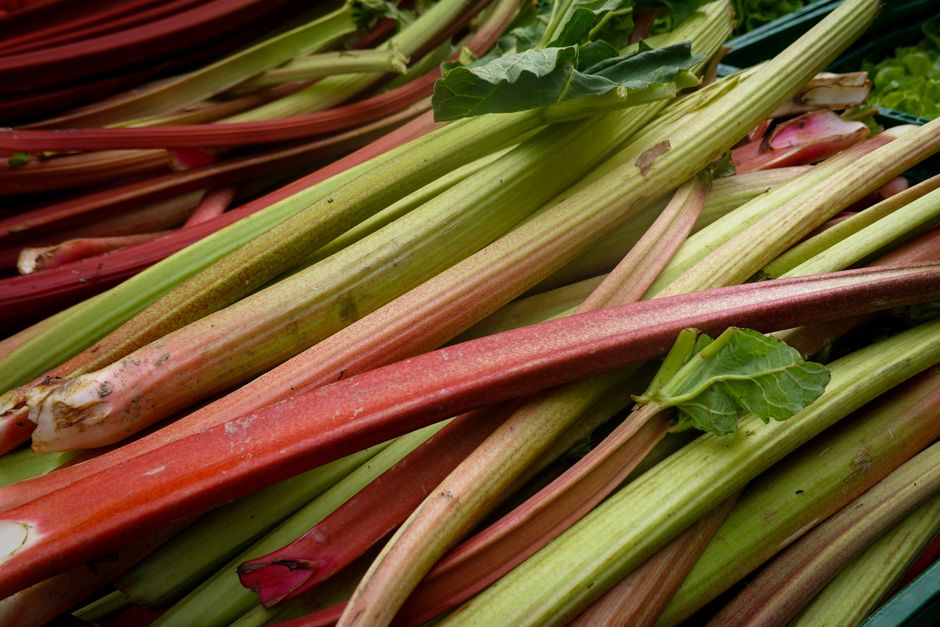 SevereFood
Rhubarb
Rhubarb contains soluble calcium oxalates, which can damage the kidneys.
No detail page yet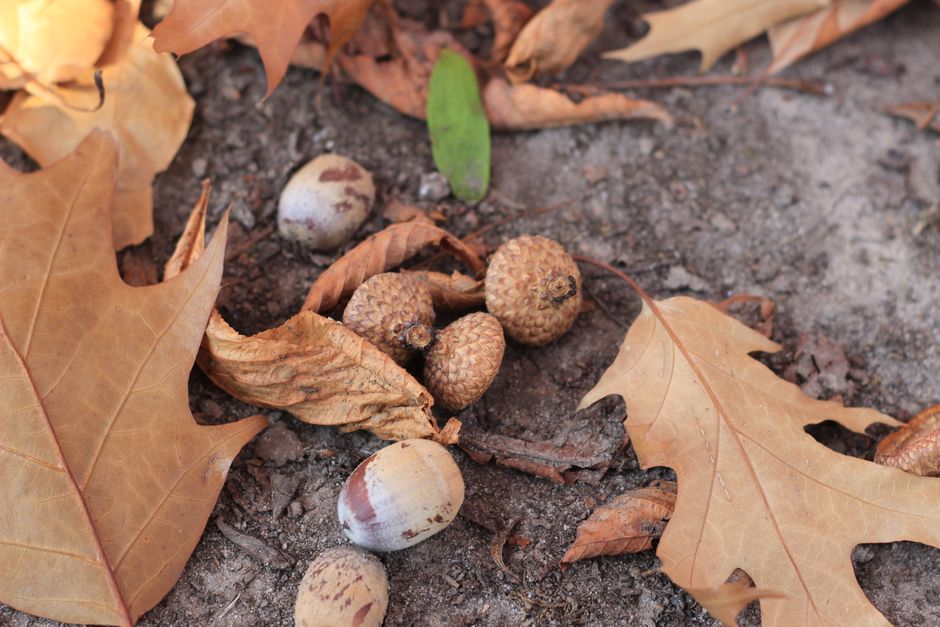 ModerateFood
Acorns
Acorns contain tannins (gallotannins) that irritate the gut, and a whole acorn can block the digestive tract.
No detail page yet ModerateFood
Avocado
Avocado contains persin, which is mainly dangerous to birds, rabbits and horses. Cornell still lists avocado among foods cats should not eat.
No detail page yet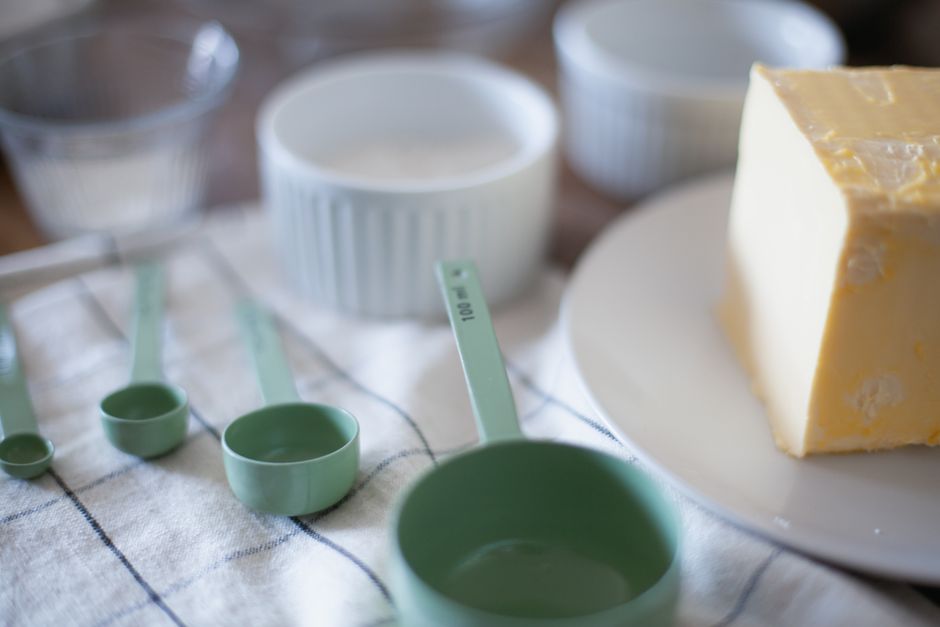 ModerateFood
Butter
Butter is a fatty dairy product, and cats do not make much lactase to digest milk sugar.
No detail page yet ModerateFood
Cooked bone
Swallowed bones can injure or block a cat's digestive tract. This can be serious and may need surgery.
No detail page yet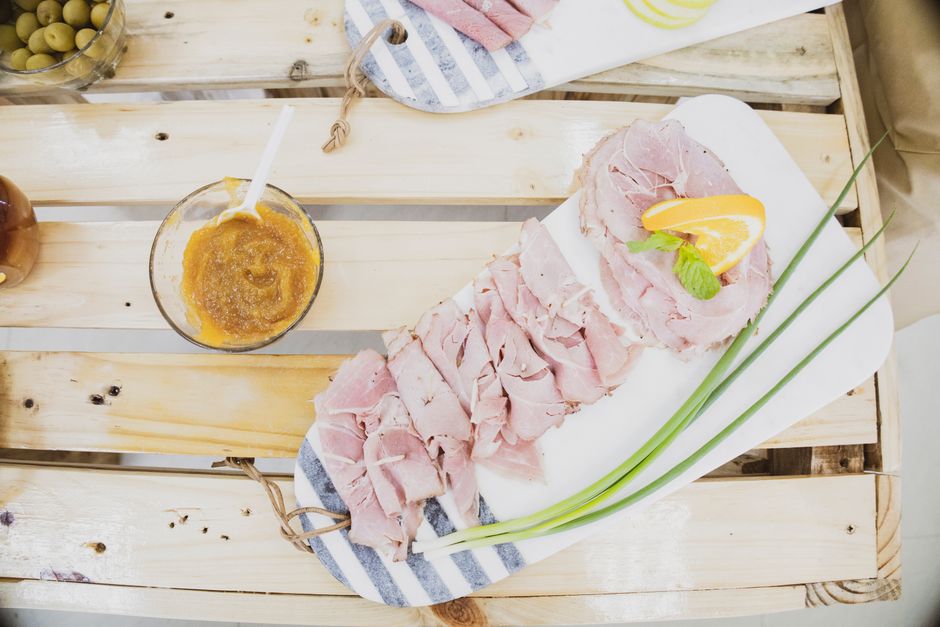 ModerateFood
Ham
Ham is cured and salty, and table scraps do not balance a cat's diet.
Full guide ModerateFood
Honey
Honey is mostly sugar and adds nothing a cat needs.
No detail page yet ModerateFood
Ice cream
Ice cream is dairy and sugar, and many cats are lactose intolerant.
No detail page yet ModerateFood
Macadamia
Macadamia nut poisoning has only been reported in dogs. Like other nuts, they are high in oils and fats, which can upset the stomach.
No detail page yet ModerateFood
Milk
Cats do not make much lactase, the enzyme that digests milk sugar (lactose).
Full guide ModerateFood
Nutmeg
Nutmeg is a strong spice, not a cat food, and its effects on cats are not well documented.
No detail page yet ModerateFood
Oranges
Citrus peel and plant material contain essential oils and psoralens.
No detail page yet ModerateFood
Peanut butter
Peanut butter is high in fat, and some brands contain xylitol, which Cornell lists among foods cats should not eat.
No detail page yet ModerateFood
Pistachios
Nuts are high in oils and fats, which can upset the stomach and may cause pancreatitis.
No detail page yet ModerateFood
Popcorn
Plain popcorn is not known to be toxic, but it offers cats nothing. Salted or buttered popcorn adds salt and fat.
No detail page yet ModerateFood
Pork
Plain cooked pork is not toxic, but table scraps do not balance a cat's diet. Raw meat can carry infections such as toxoplasmosis.
No detail page yet ModerateFood
Raw chicken
Raw meat can carry bacteria such as Salmonella and E. coli, and parasites such as Toxoplasma. These can infect the cat and the people it lives with.
No detail page yet ModerateFood
Raw egg
Raw eggs can carry bacteria such as Salmonella and E. coli. They also contain avidin, which blocks biotin (a B vitamin); cooking destroys it.
No detail page yet ModerateFood
Raw fish
Some raw fish, especially freshwater fish, contain thiaminase, an enzyme that destroys thiamine (vitamin B1). Regular feeding can cause a deficiency.
Full guide ModerateFood
Salt
Too much sodium upsets the body's salt and water balance.
No detail page yet ModerateFood
Shrimp
Plain cooked shrimp is not known to be toxic, but it is not a complete diet. Seasoned shrimp may contain garlic, onion or a lot of salt.
No detail page yet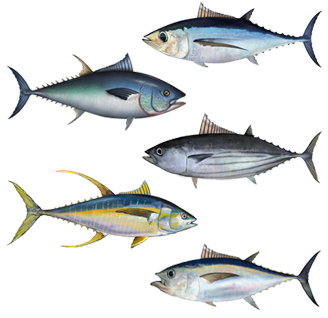 ModerateFood
Tuna
Canned tuna for people is not a complete diet for cats. Cornell notes that some cats fed canned fish meant for humans developed serious neurological problems.
Full guide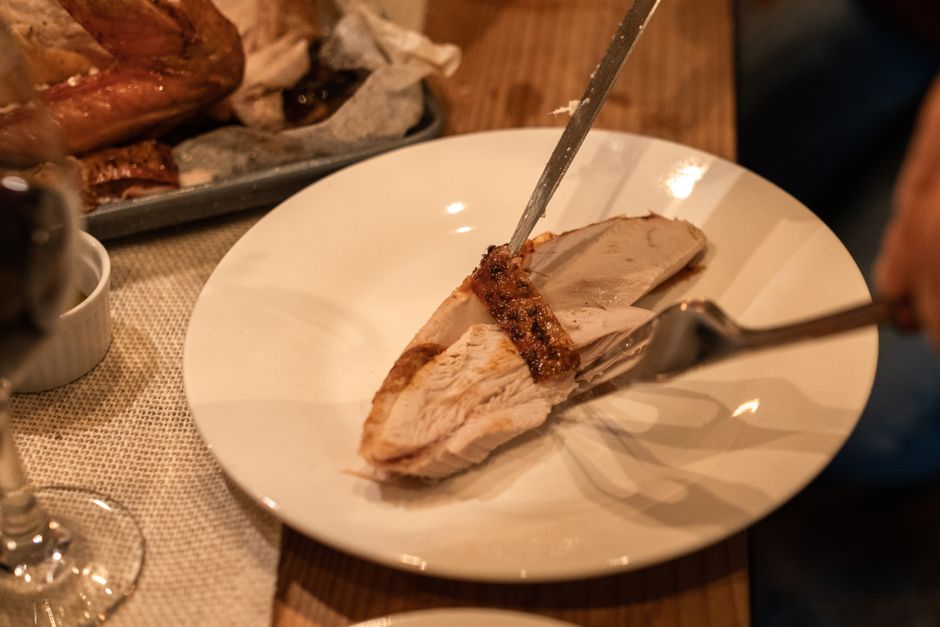 ModerateFood
Turkey
Plain cooked turkey is fine as a treat. Seasonings such as onion and garlic are toxic, and bones can injure the gut.
Full guide ModerateFood
Walnuts
Walnuts are high in oils and fats. Moldy walnuts can carry tremor-causing mold toxins (reported mainly in dogs).
No detail page yet ModerateFood
Xylitol
Xylitol is a sugar substitute that causes dangerously low blood sugar and liver damage in dogs. Merck reports cats are not at risk of those effects, but Cornell still lists xylitol among foods cats should not eat.
No detail page yet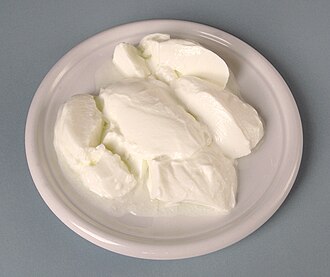 ModerateFood
Yogurt
Yogurt is a dairy product, and many cats are lactose intolerant.
No detail page yet MildPlant
Aloe
Aloe barbadensis
Aloe contains saponins and anthraquinones, which upset the gut.
No detail page yet MildPlant
Peace lily
Spathiphyllum spp.
Peace lily (Spathiphyllum) is not a true lily. It contains insoluble calcium oxalate crystals, which irritate the mouth.
No detail page yet MildPlant
Philodendron
Philodendron spp.
Philodendron contains insoluble calcium oxalate crystals, which irritate the mouth and throat.
No detail page yet- MildPlant
Poinsettia
Euphorbia pulcherrima
The milky sap contains diterpenoid euphorbol esters and saponin-like detergents that irritate the mouth and stomach.
Full guide  MildPlant
Pothos
Epipremnum aureum
Pothos contains insoluble calcium oxalate crystals, which irritate the mouth and throat.
No detail page yet SafeFood
Apple
Apple seeds, stems and leaves contain cyanogenic glycosides, which release cyanide. The flesh is not the concern.
No detail page yet SafeFood
Banana
The ASPCA lists banana as non-toxic to cats. It is sugary and adds little to a cat's diet.
No detail page yet SafeFood
Blueberry
Not known to be toxic to cats. Cats are obligate carnivores, so fruit adds little to their diet.
No detail page yet SafeFood
Carrot
The ASPCA lists the carrot plant as non-toxic to cats, and the root is edible. Cats do not need vegetables.
No detail page yet SafeFood
Cat food
A complete and balanced cat food is formulated for a cat's nutritional needs, including taurine.
No detail page yet SafeFood
Chicken
Cats are obligate carnivores, and plain cooked meat suits them as a treat.
No detail page yet- SafePlant
Christmas cactus
Schlumbergera bridgesii
Non-toxic, though eating any plant material may cause vomiting and stomach upset.
Full guide  SafeFood
Green bean
Not known to be toxic to cats, but cats need a meat-based diet.
No detail page yet SafeFood
Pumpkin
Plain cooked pumpkin is not known to be toxic to cats.
Full guide SafeFood
Rice
Cats can digest a small amount of carbohydrate, though they mainly need meat.
No detail page yet SafeFood
Strawberries
The ASPCA lists strawberry as non-toxic to cats. Cats are obligate carnivores, so fruit adds little.
No detail page yet SafeFood
Watermelon
Not known to be toxic to cats, but fruit adds little to a cat's diet.
No detail page yet SafeFood
Zucchini
Not known to be toxic to cats, but cats need a meat-based diet.
No detail page yet
If your cat has eaten something toxic
- Don't wait for symptoms. Many poisonings are far easier to treat in the first 1–2 hours.
- Don't induce vomiting at home unless a vet tells you to. Some substances cause more damage coming back up.
- Bring a sample. For foods: the wrapper, packet, or bottle. For plants: a piece of leaf or stem in a paper bag (not plastic). Your vet needs to know the exact item and dose.
- Call before you drive. The vet can prep emergency treatment and may direct you to the nearest out-of-hours clinic.
This database is a reference, not a substitute for veterinary advice. When in doubt, call your vet or the ASPCA Animal Poison Control. The call fee is far cheaper than treatment for a missed case.
Common questions about what is toxic to cats
Is lily toxic to cats?
Toxic for cats. True lilies (Lilium and Hemerocallis species, including Easter, tiger, Asiatic and daylilies) damage a cat's kidneys. The exact toxin is unknown, and cats are the only species known to be affected. EMERGENCY. Take your cat to a vet now, even if it seems fine. Treatment started early has a much better outcome. Keep true lilies out of homes with cats.
Can cats eat onion?
Toxic for cats. Onion, garlic, chives and leeks (Allium plants) damage red blood cells and can cause anemia. Cats are the most susceptible species. Call your vet or a pet poison line right away, even for a small amount. Signs of anemia can take several days to appear.
Can cats eat chocolate?
Toxic for cats. Chocolate contains theobromine and caffeine (methylxanthines). They overstimulate the heart and nervous system. Call your vet or a pet poison line right away. Note the type of chocolate and how much was eaten.
Can cats eat grape?
Toxic for cats. Grapes and raisins can cause kidney failure in dogs (tartaric acid is the suspected toxin). Kidney failure has been reported in one cat, so the risk to cats is not well understood. Call your vet or a pet poison line right away.
Can cats eat coffee?
Toxic for cats. Caffeine is a methylxanthine stimulant. Cats appear to be more sensitive to it than people. Call your vet or a pet poison line right away if your cat ate grounds, beans, tea bags or pills.
Can cats eat alcohol?
Toxic for cats. Ethanol (drinking alcohol) depresses the brain and nervous system. It is absorbed quickly, and all species are susceptible. Call your vet or a pet poison line right away. Do not wait for signs to appear.
Can cats eat xylitol?
Use caution for cats. Xylitol is a sugar substitute that causes dangerously low blood sugar and liver damage in dogs. Merck reports cats are not at risk of those effects, but Cornell still lists xylitol among foods cats should not eat. Call your vet or a pet poison line for advice. Check labels on sugar-free gum, mints, candy, baked goods and toothpaste.
Can cats eat milk?
Use caution for cats. Cats do not make much lactase, the enzyme that digests milk sugar (lactose). Skip cow's milk. Give fresh, clean water instead.
Can cats eat tuna?
Use caution for cats. Canned tuna for people is not a complete diet for cats. Cornell notes that some cats fed canned fish meant for humans developed serious neurological problems. Keep it to a rare treat and feed a complete and balanced cat food.
Can cats eat raw fish?
Use caution for cats. Some raw fish, especially freshwater fish, contain thiaminase, an enzyme that destroys thiamine (vitamin B1). Regular feeding can cause a deficiency. Offer fish cooked and plain, and only as a small part of a complete cat diet.
Is peace lily toxic to cats?
Use caution for cats. Peace lily (Spathiphyllum) is not a true lily. It contains insoluble calcium oxalate crystals, which irritate the mouth. Call your vet or a pet poison line for advice, and go in if your cat has trouble swallowing.
Is pothos toxic to cats?
Use caution for cats. Pothos contains insoluble calcium oxalate crystals, which irritate the mouth and throat. Call your vet or a pet poison line for advice, and go in if your cat has trouble swallowing.
Is aloe toxic to cats?
Use caution for cats. Aloe contains saponins and anthraquinones, which upset the gut. Call your vet if your cat ate the leaf, or if vomiting or diarrhea continues.
Is sago palm toxic to cats?
Toxic for cats. Sago palms (cycads) contain cycasin, which damages the liver. EMERGENCY. Take your cat to a vet right away.
Is azalea toxic to cats?
Toxic for cats. Azaleas and rhododendrons contain grayanotoxins in all parts, including pollen and nectar. Take your cat to a vet right away.
Can cats eat pumpkin?
Safe in small amounts for cats. Plain cooked pumpkin is not known to be toxic to cats. Plain only, with no spices or sugar. Ask your vet before using it for stool problems.
Can cats eat chicken?
Safe in small amounts for cats. Cats are obligate carnivores, and plain cooked meat suits them as a treat. Plain, cooked and boneless.
Can cats eat blueberry?
Safe in small amounts for cats. Not known to be toxic to cats. Cats are obligate carnivores, so fruit adds little to their diet. Offer as a small, rare treat.