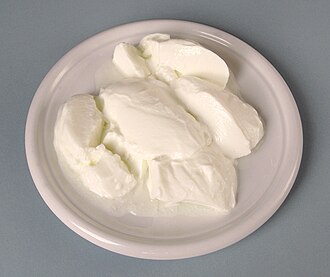
Can dogs eat yoghurt?
Safe with careYes — plain, unsweetened yoghurt is safe for most dogs in small amounts. Flavored and "diet" yoghurts often contain sugar or xylitol, so stick to plain natural or Greek.
Plain yoghurt can be a gentle, probiotic-rich addition to your dog's diet — especially after a course of antibiotics. The main rule: no flavored, sweetened, or low-fat versions, which often carry risks.
Benefits
- Live cultures (probiotics) can support gut health, particularly after illness or antibiotics
- Source of protein and calcium
- Soft texture works as a lick-mat or Kong filler
- Lower-lactose than milk, so better tolerated
How much to give
How to prepare
- Pick PLAIN — natural or Greek, full fat or low fat (avoid "0%" diet brands with sweeteners).
- Check labels — no xylitol, no added sugar, no artificial sweeteners.
- Serve cold or frozen in a Kong for a slow treat.
- For dogs recovering from antibiotics, ask your vet about strain-specific probiotics — they're often more effective.
Watch out for
- Lactose-intolerant dogs will get stomach upset.
- Flavored yoghurts often contain sugar or xylitol — fatal risk.
- High fat content can trigger pancreatitis in sensitive dogs.
- Dairy allergies exist but are rare.
If a rich treat upsets their stomach
Too much of a fatty or unfamiliar food can leave a dog with a loose or queasy tummy for a day or two. These are the vet-shelf digestive supports owners keep on hand — helpful for a mild upset, but not a substitute for a vet visit if your dog is repeatedly sick, lethargic, or in pain.
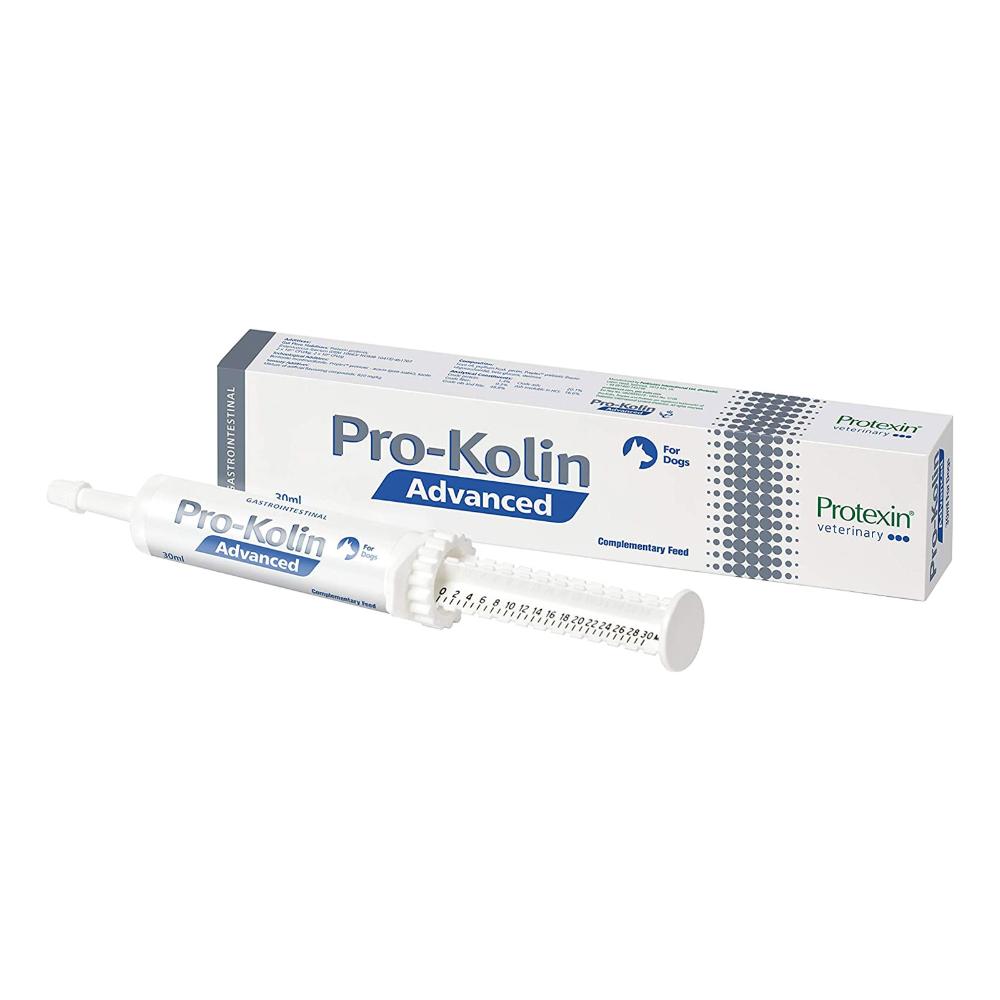


Petcro may earn a small commission from these links, at no extra cost to you. We only list products we'd be comfortable recommending.
Frequently asked
Is Greek yoghurt safe for dogs?
Yes — plain Greek yoghurt is one of the best choices. It's lower in lactose and higher in protein than regular yoghurt. Just make sure it's unsweetened.
Can dogs eat flavored yoghurt?
No. Most flavored yoghurts contain sugar or artificial sweeteners (sometimes xylitol, which is deadly). Plain only.
Will yoghurt help my dog's upset stomach?
The probiotics can help mild cases, but severe or ongoing diarrhea needs a vet. Don't replace a vet visit with yoghurt.
Can lactose-intolerant dogs have yoghurt?
Generally no. Even low-lactose yoghurt may cause upset. Lactose-free versions exist but check for sweeteners.
Is frozen yoghurt safe for dogs?
Plain frozen yoghurt (homemade) is fine. Commercial frozen yoghurt and "froyo" products contain too much sugar and sometimes xylitol — avoid.
More food guides
Check our toxic-food tool for quick answers, or ask CRO about your specific dog.
This guide is educational and based on US veterinary sources. Individual dogs react differently — introduce any new food slowly, and speak to your vet if your dog has medical conditions like pancreatitis, diabetes, or allergies.