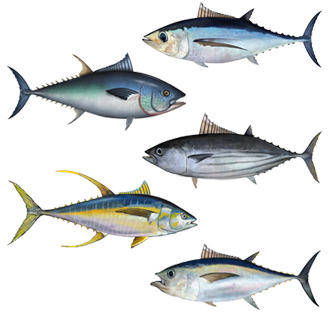
Can dogs eat tuna?
Safe with careYes, with caveats. A small amount of plain water-packed tuna (drained, not in oil, no salt) is safe as an occasional treat. The long-term concern is mercury accumulation, so daily feeding is not recommended. Tuna is generally less risky for dogs than for cats (no taurine-deficiency issue), but it is still an occasional treat at best.
Tuna is one of those "yes, but with limits" foods for dogs. A spoonful of plain water-packed tuna as an occasional treat is fine and most dogs love it. The reasons not to feed it daily: mercury accumulates over time (tuna is one of the higher-mercury fish), the oil-packed and salted versions add fat and sodium loads, and tuna lacks the balanced nutrition of complete dog food. Treat as a once-or-twice-a-week treat at most, in spoonful portions.
Benefits
- Lean protein — relatively low in fat (especially water-packed)
- Omega-3 fatty acids (EPA and DHA) support skin, coat, and joint health
- Highly palatable — useful for tempting reluctant eaters or as a high-value training reward
- Selenium and B vitamins (B12, niacin)
- Shelf-stable canned form is convenient for occasional treats
How much to give
How to prepare
- Choose tuna packed in WATER, not oil. Oil-packed tuna adds too much fat and can trigger pancreatitis in susceptible dogs.
- Choose "no salt added" or "low sodium" varieties when available. Standard canned tuna has meaningful salt.
- Drain thoroughly before serving. The packing water itself is fine to drain off.
- Plain only — never flavored tunas (often contain onion, garlic, or other seasonings).
- Skipjack and chunk light tuna have lower mercury content than albacore (white) tuna. Skipjack is the safer choice for occasional feeding.
Watch out for
- Mercury accumulation over time — tuna is one of the higher-mercury fish, and daily feeding builds up cumulatively. Limit to occasional treat, not staple.
- Oil-packed tuna can trigger pancreatitis, especially in susceptible breeds (cocker spaniels, miniature schnauzers, dogs with pancreatitis history).
- Salted tuna adds dietary sodium that adult dogs do not need. Look for low-sodium or no-salt-added versions.
- Flavored tunas (lemon-pepper, herb blends, etc.) often contain onion or garlic powder — toxic at meaningful doses.
- Cats and dogs differ here — tuna in cats causes taurine deficiency over time. Dogs synthesize their own taurine, so this is not a dog concern.
Safety guideRead the full tuna safety guide
If a rich treat upsets their stomach
Too much of a fatty or unfamiliar food can leave a dog with a loose or queasy tummy for a day or two. These are the vet-shelf digestive supports owners keep on hand — helpful for a mild upset, but not a substitute for a vet visit if your dog is repeatedly sick, lethargic, or in pain.
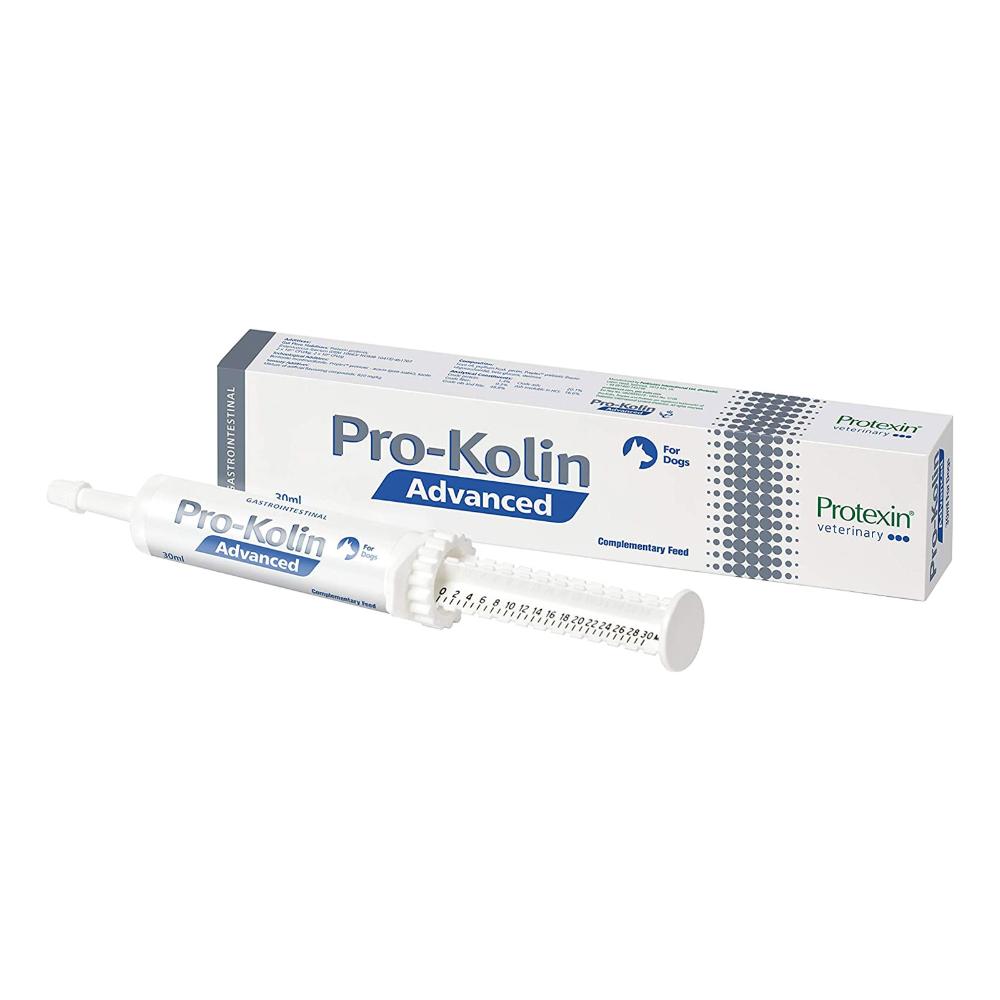


Petcro may earn a small commission from these links, at no extra cost to you. We only list products we'd be comfortable recommending.
Frequently asked
Can dogs eat tuna every day?
Not recommended. Tuna is one of the higher-mercury fish, and daily feeding allows mercury to accumulate in body tissues. Treat as a 1–2× per week occasional treat in small portions. The mercury risk is dose-dependent and cumulative — occasional treats are fine; daily feeding is not.
Tuna in oil or tuna in water for dogs?
Water-packed, always. Oil-packed tuna adds too much fat and can trigger pancreatitis in susceptible dogs. Drain the water-pack thoroughly before serving (the water itself is not harmful, just unnecessary).
What about albacore vs chunk light tuna?
Chunk light (or skipjack) has lower mercury content than albacore (white) tuna. For occasional dog treats, chunk light is the safer choice. The difference matters more for sustained feeding (which you should not do anyway) than for an occasional spoonful.
Is canned tuna different from fresh tuna for dogs?
Both work as occasional treats. Fresh tuna (cooked, plain) is essentially the same nutritionally. Avoid raw tuna due to bacterial and parasite risk (the FDA-required sushi-grade freezing protocol kills parasites but bacterial concerns remain).
Why is tuna different for dogs vs cats?
Two reasons: (1) Cats cannot synthesize taurine and depend on dietary sources — tuna is taurine-deficient and daily-tuna-fed cats develop dilated cardiomyopathy. Dogs synthesize their own taurine, so this is not a dog concern. (2) Cats also develop strong tuna preferences that can lead to refusal of balanced food — less common in dogs.
Can dogs eat tuna salad or tuna sandwiches?
Generally not a good idea. Tuna salad contains mayonnaise (high fat), often onion or celery (onion is toxic), salt, and sometimes pickles or relish (added sugars and spices). The tuna under all that is fine; the whole sandwich is not. Stick to plain water-packed tuna by itself.
More food guides
Check our toxic-food tool for quick answers, or ask CRO about your specific dog.
This guide is educational and based on US veterinary sources. Individual dogs react differently — introduce any new food slowly, and speak to your vet if your dog has medical conditions like pancreatitis, diabetes, or allergies.