
Can dogs eat mushrooms?
Safe with careIt depends on the mushroom. Plain cooked store-bought mushrooms (button, cremini, portobello, shiitake) are non-toxic in small amounts. Any wild mushroom should be treated as potentially fatal — some species can kill a dog within 24 hours, and even experienced foragers misidentify them. If your dog ate a wild mushroom, call your vet or the ASPCA Animal Poison Control ((888) 426-4435) immediately.
Mushrooms are one of the most misunderstood foods on the 'can dogs eat' list. The grocery store ones are fine plain. The lawn ones might be deadly. And mushroom dishes you cook at home almost always contain garlic or onion (which are actually toxic), plus butter and salt (which aren't toxic but cause pancreatitis or GI upset) — together, those are the actual problem in most household exposures, not the mushroom itself.
Full mushroom toxicity emergency guideCall ASPCA Animal Poison Control
Benefits
- Plain cooked button and cremini mushrooms add a little protein and B vitamins — modest nutritional value, not a reason to feed them
- Low in calories and fat — a small piece of plain cooked mushroom is a harmless training treat for some dogs
- Some commercial dog foods include trace amounts of safe mushroom species as flavor or supplement
How much to give
How to prepare
- Buy from a grocery store — never from a wild source. Stick to plain button, cremini, portobello, or shiitake.
- Cook plain — no garlic, onion, butter, salt, or seasoning. Boil, steam, or dry-pan with no oil.
- Chop into small pieces. Raw mushrooms are harder to digest and can cause GI upset.
- Skip mushroom dishes from your plate — risotto, gravy, stir-fry almost always contain garlic and/or onion (truly toxic to dogs) plus butter, salt, and cooking wine (high-fat or GI-upsetting). The mushroom is the safe ingredient; everything else is the problem.
Watch out for
- Wild mushrooms are the danger. The deadliest species (Amanita, Galerina, Lepiota) cause delayed liver failure with a 6–24 hour latent period. Mortality rate above 50% even with treatment.
- Dogs can be drawn to certain wild mushrooms by smell — Amanita phalloides has a sweet, honey-like odor.
- Yard mushrooms after rain are the highest-risk exposure for most households.
- Even experienced foragers misidentify mushroom species. Don't assume yard mushrooms are safe by appearance.
- Garlic and onion are the actually-toxic ingredients in most mushroom recipes; butter is a pancreatitis risk in high-fat amounts; cooking wine has minimal residual alcohol once heated. These ingredients — not the mushroom itself — are the most common source of household mushroom-related illness.
- Raw mushrooms can cause stomach upset even when the variety is non-toxic.
Signs of poisoning
- Drooling, vomiting, diarrhea — often the first signs (15 min – 6 hours after eating)
- Abdominal pain or bloating
- Lethargy, weakness, walking unsteadily ("walking drunk")
- Tremors, seizures, twitching, or hallucinations
- Yellow gums or whites of eyes (jaundice — sign of liver damage, 24–72 hours)
- Black tarry stool (later sign of liver failure)
- Collapse or coma in severe cases
Timeline
What to do right now
1. Call your vet or the ASPCA Animal Poison Control ((888) 426-4435, 24/7) immediately. Don't wait to see if symptoms develop — the deadliest mushrooms have the longest latent period.
2. Bag a sample of the mushroom if you can do it safely. Wrap a piece in a damp paper towel and put it in a paper bag (not plastic — plastic accelerates decay and makes ID harder). Bring it to the vet. Photograph the growth site if possible.
3. Note the time of ingestion, your dog's weight, and roughly how much they ate. Even a partial chewed piece visible on the ground helps.
4. Don't induce vomiting at home unless the vet tells you to. Hydrogen peroxide and salt methods are unreliable and can injure the esophagus. The clinic uses apomorphine (an injection) which is fast and controlled.
5. Drive to the clinic. Recent ingestions (under 2 hours) get decontamination — induced vomiting plus activated charcoal. After that, treatment shifts to IV fluids and supportive care for the liver and kidneys.
What not to do
- Don't try to identify the mushroom yourself — even experienced foragers misidentify. Your vet may consult a mycologist; you should focus on getting your dog to the clinic.
- Don't induce vomiting at home unless a vet specifically instructs it. Wrong method can cause aspiration pneumonia or esophageal injury.
- Don't wait to see if symptoms develop. The most dangerous mushrooms have a 6–24 hour latent period — by the time symptoms appear, the liver is already injured.
- Don't assume a small bite is safe. One Amanita phalloides cap can be a lethal dose for a medium-sized dog.
- Don't store the sample in plastic. Plastic accelerates decay and makes mushroom ID harder; use a paper bag.
Emergency guideRead the full mushrooms poisoning guide
If a rich treat upsets their stomach
Too much of a fatty or unfamiliar food can leave a dog with a loose or queasy tummy for a day or two. These are the vet-shelf digestive supports owners keep on hand — helpful for a mild upset, but not a substitute for a vet visit if your dog is repeatedly sick, lethargic, or in pain.
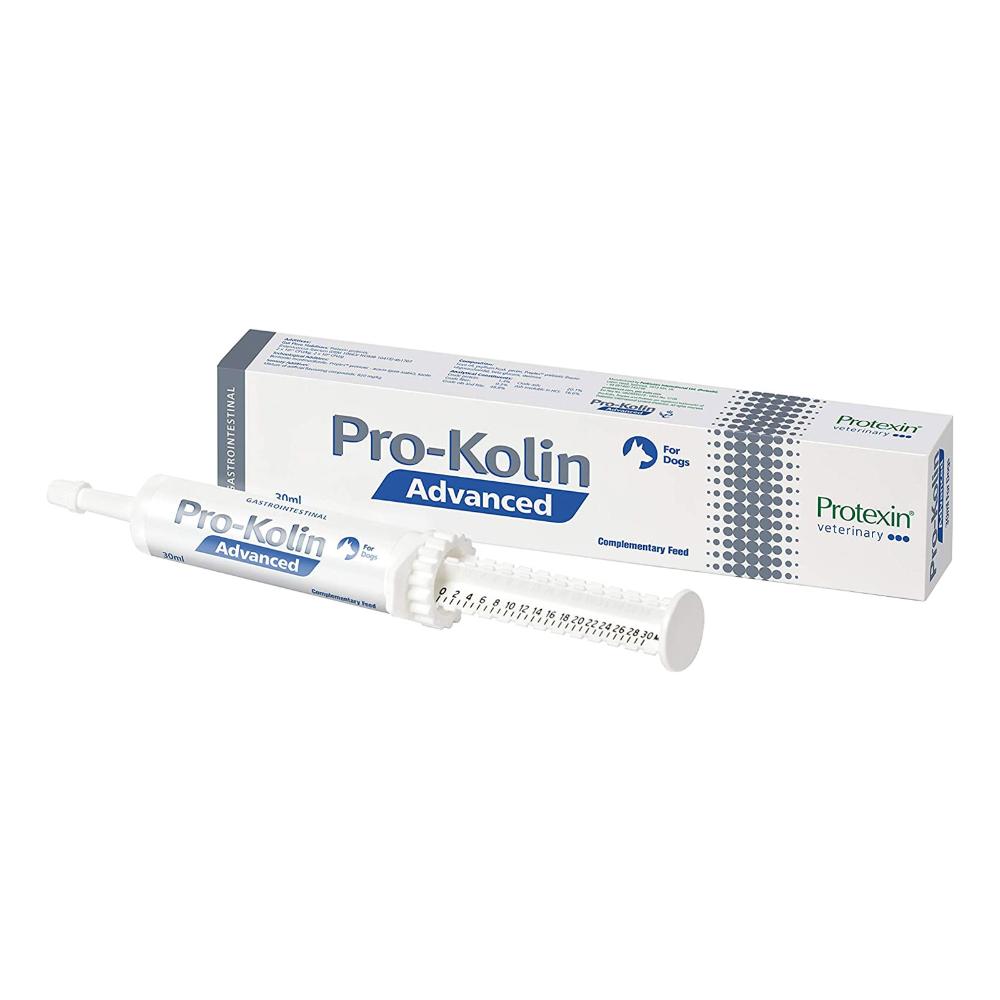


Petcro may earn a small commission from these links, at no extra cost to you. We only list products we'd be comfortable recommending.
Frequently asked
My dog ate a wild mushroom — what should I do?
Call your vet or the ASPCA Animal Poison Control ((888) 426-4435, 24/7) immediately. Don't wait to see if symptoms develop — the deadliest mushrooms have a 6–24 hour latent period. Bag a sample of the mushroom (in a paper bag, not plastic) and bring it to the vet. Full emergency protocol at our mushroom toxicity guide.
Are button mushrooms from the grocery store safe?
Plain, cooked, small amounts — yes. Plain button, cremini, portobello, and shiitake are non-toxic to dogs. The risk is how humans typically prepare them: garlic and onion (truly toxic to dogs at common cooking quantities) plus butter, salt, or wine (high-fat or GI-upsetting). The mushroom isn't the problem in most household exposures — the other ingredients are.
How quickly do mushroom poisoning symptoms appear in dogs?
It depends on the species. Muscarinic and hallucinogenic mushrooms cause symptoms in 15–60 minutes (vomiting, drooling, ataxia). Amatoxin mushrooms (death cap, etc.) have a deceptive 6–24 hour latent period before liver damage becomes obvious — this delayed pattern is what makes them most deadly.
My dog seems fine an hour after eating a yard mushroom — are they safe?
No — don't assume safety. The most dangerous mushroom toxins have a delayed onset. Owners often think the dog is fine, miss the 6-hour decontamination window, and present after liver damage is already underway. Call your vet even if your dog is asymptomatic.
Can puppies eat mushrooms?
Even more cautiously than adult dogs. Puppies have a much smaller margin of safety for any toxin — one Amanita cap that would sicken an adult Lab can kill an 8-week-old puppy. Stick to dog-formulated diets for puppies; mushrooms add no nutritional value worth the risk.
Are mushroom supplements (lion's mane, reishi) safe for dogs?
Veterinary functional-mushroom supplements (e.g., reishi, turkey tail, lion's mane in formulated dog supplements) are generally considered safe and are sometimes used adjunctively for immune or cognitive support. Don't substitute human supplements — dosing and excipients differ. Always check with your vet first.
How do I keep my dog from eating yard mushrooms?
Walk your yard after every rain and remove any mushrooms with a gloved hand into a sealed bag (don't crush or compost — spores spread). Keep dogs on a leash in unfamiliar woods. For habitual yard-foragers, a basket muzzle on outdoor breaks during peak mushroom seasons (autumn, plus rainy spring weeks) is a real solution worth discussing with your vet or trainer.
Primary sources
This guide draws on the following authorities. Specific clinical decisions for your pet should always be made with your vet.
More food guides
Check our toxic-food tool for quick answers, or ask CRO about your specific dog.
This guide is educational and based on US veterinary sources. Individual dogs react differently — introduce any new food slowly, and speak to your vet if your dog has medical conditions like pancreatitis, diabetes, or allergies.